




tourist visa
30 Day Single


Processing Time
3-4 Days

Permitted Stay
30 Days

Visa Validity
58 Days
$135
Apply VisaAbout
Bhutan and the UAE only established formal diplomatic relations in September 2012, and for most of the time since, getting from the Himalayas to the Gulf meant routing through a third country. That changed when Drukair, Bhutan's national carrier, began service linking Paro and Dubai. For travellers holding a Bhutanese passport, understanding an Emirates visa for Bhutan citizens now matters more than ever, since a growing number of Bhutanese nationals are visiting the Emirates for tourism, business, and family visits rather than only transiting through it.
The Emirates visa requirements for Bhutan are handled entirely online, since there's no resident UAE consulate in Thimphu to visit in person. This makes the accuracy of your application more important than it might be for travellers from countries with a local embassy to correct a mistake quickly. Before you start, it's worth reviewing the Emirates visa process so you know each stage the application goes through, rather than assuming submission and approval happen in one step. Because Bhutan's own outbound travel volume is small, applicants sometimes have fewer local reference points to compare notes with, so working from the official process rather than secondhand advice matters more here than in larger travel markets.
Entry timing deserves particular attention for Bhutanese travellers because the direct Paro–Dubai service operates only twice weekly. If your visa's validity window is tight and your flight gets rescheduled onto a different day, you could find your approved entry period no longer lines up with the only available seat. It's worth applying with a buffer around your intended travel date rather than cutting it close to a single fixed flight, and confirming your booking is fully ticketed before your visa application goes in, since a provisional hold on a low-frequency route can change at short notice.
Paro International Airport is Bhutan's only international gateway. For years, reaching the UAE meant connecting through Delhi, Kolkata, Bangkok, Kathmandu, or Singapore on a separate onward ticket. That changed in late October 2024, when Drukair launched a twice-weekly service linking Paro and Dubai via a stop in Delhi, giving Bhutanese travellers a single-booking option rather than piecing together two airlines. Seats remain limited given Drukair's small fleet, so early booking matters if your dates are fixed. Delhi remains the most frequent alternative routing, with both Drukair and Bhutan Airlines flying there daily and a wide choice of onward UAE flights from there; Bangkok and Kathmandu offer shorter regional hops for travellers whose dates don't match the Dubai route's fixed days.
If your itinerary routes through Delhi, Bangkok, or another hub rather than the direct Drukair service, check whether your connection requires you to clear that country's immigration or stay airside, since this affects whether you need anything beyond your Emirates visa for that leg of the trip. This is a genuinely different planning question for Bhutanese travellers than it is for those flying a single nonstop sector, and it's easy to overlook when the Emirates visa itself is the main focus of preparation.
Bhutan's currency, the Ngultrum (BTN), is pegged one-to-one with the Indian Rupee, and Indian Rupees circulate freely inside Bhutan alongside Ngultrum. Neither currency is easily exchanged once you land in the UAE, so it's worth converting to UAE Dirhams or carrying US Dollars before you leave, rather than assuming exchange counters in Dubai will handle Ngultrum. Given Bhutan's limited number of international banks, arranging a UAE-compatible travel card in advance, through one of the country's few licensed banks, is usually simpler than trying to sort it out during a layover.
Bhutan keeps one of the smallest diplomatic networks in the world, and there is no resident UAE embassy in Thimphu. The UAE's diplomatic relationship with Bhutan is handled through its embassy in New Delhi, India, while Bhutan's own accreditation to the UAE runs through the Royal Bhutanese Embassy in Kuwait. In practice, this means Bhutanese applicants rely on online application channels rather than an in-country consular visit, and document attestation queries may need to go through the Delhi-based mission rather than a local office. Because there's no nearby consulate to call for a quick update, checking Emirates visa status yourself becomes more important than it might be for applicants elsewhere, particularly if you're booked on one of the limited twice-weekly Dubai flights and need certainty before your travel window closes.
Bhutan's own travel season, October to December and March to May, often overlaps with when Bhutanese families plan trips abroad, including to the UAE. Travelling outside Bhutan's peak domestic tourist months can also mean more availability on the limited Paro–Dubai route, since Drukair's aircraft are shared across the airline's full network during high season. Bhutanese citizens weighing an Emirates tourist visa from Bhutan trip should also factor in Bhutan's own exit formalities, since Bhutanese nationals travelling abroad for tourism are expected to register their travel with Bhutanese authorities, separate from anything the UAE side requires. If your travel dates shift at short notice, given how few weekly seats exist on the direct route, the express Emirates visa application option is worth reviewing so a change in plans doesn't leave you without valid documentation in time. Every Emirates visa for Bhutan passport holders application depends on accurate documentation, and with no local consulate to correct errors quickly, getting it right the first time matters more for Bhutanese travellers than most.

Visa Options
Your one-stop shop for every Emirates visa application for Bhutan Nationals.
Every Emirates visa below is an e-visa: no sticker in your passport and no embassy appointment. Pick by how long you will stay (14, 30, 60 or 90 days), whether you need single or multiple entry, and whether you may want to extend it inside the UAE. The price on each card is the fee for that visa; the full total, service charge included, is shown at checkout before you pay.
Note: one Emirates visa covers all seven emirates. Enter through Dubai, Abu Dhabi or Sharjah and travel to Ajman, Fujairah, Ras Al Khaimah and Umm Al Quwain on the same visa.
tourist visa
30 Day Single
Processing Time
3-4 Days
Permitted Stay
30 Days
Visa Validity
58 Days
$135
Apply Visatourist visa
30 Day Multiple
Processing Time
3-4 Days
Permitted Stay
30 Days
Visa Validity
58 Days
$350
Apply Visatourist visa
60 Day Inside A2A Visa Extension
Processing Time
3-4 Days
Permitted Stay
60 Days
Visa Validity
60 Days
$600
Apply Visatourist visa
30 Day Inside A2A Visa Extension
Processing Time
3-4 Days
Permitted Stay
30 Days
Visa Validity
58 Days
$500
Apply Visatourist visa
60 Day Single
Processing Time
3-4 Days
Permitted Stay
60 Days
Visa Validity
60 Days
$380
Apply Visatourist visa
60 Day Multiple
Processing Time
3-4 Days
Permitted Stay
60 Days
Visa Validity
60 Days
$445
Apply Visatourist visa
7 Days Single
Processing Time
3-4 Days
Permitted Stay
7 Days
Visa Validity
60 Days
$100
Apply Visatransit visa
96 Hour Transit
Processing Time
3-4 Days
Permitted Stay
96 Hours
Visa Validity
14 Days
$130
Apply Visatransit visa
48 Hour Transit
Processing Time
3-4 Days
Permitted Stay
48 Hours
Visa Validity
14 Days
$110
Apply Visabusiness visa
14 Day Business
Processing Time
1-2 Days
Permitted Stay
14 Days
Visa Validity
58 Days
$120
Apply VisaDocument Required
Documents guidelines and requirements for emirates visa
Note : This visa is valid across all UAE emirates, namely Dubai, Abu Dhabi, Ajman, Sharjah, Fujairah, Ras Al Khaimah and Umm Al Quwain
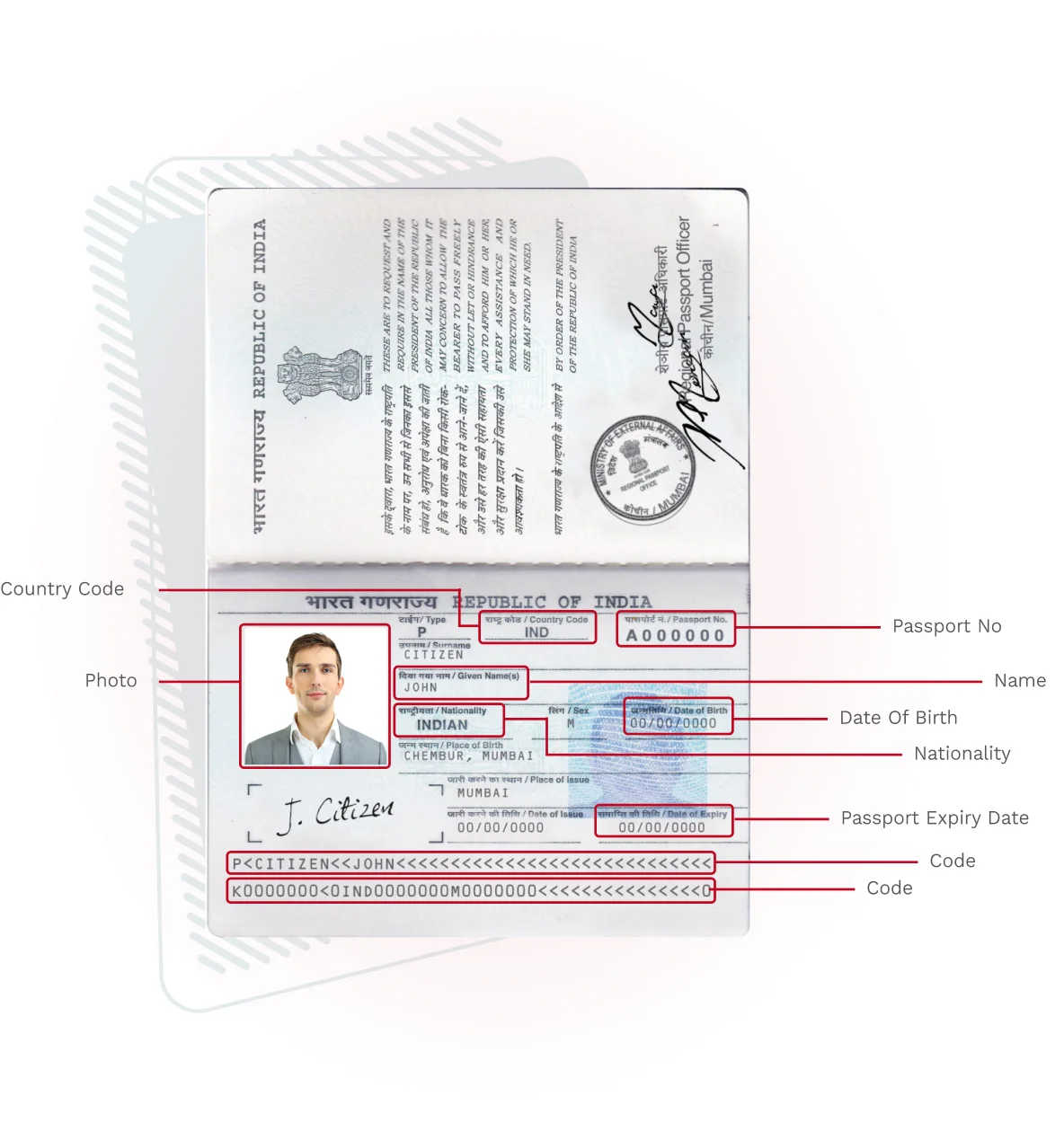
Upload Checklist
Make sure your passport scan is clear, uncropped, and easy to read.




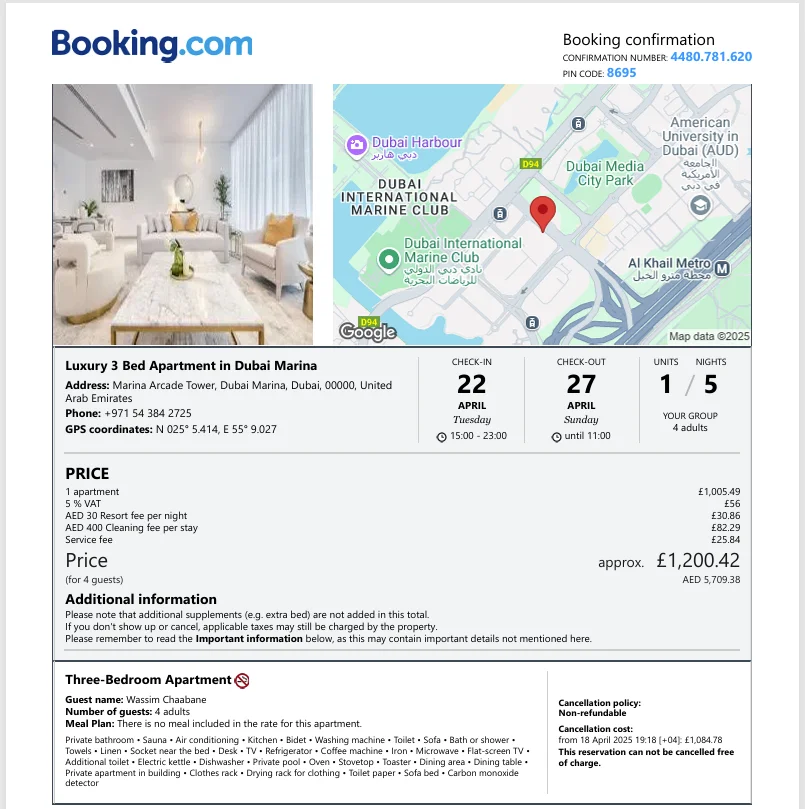
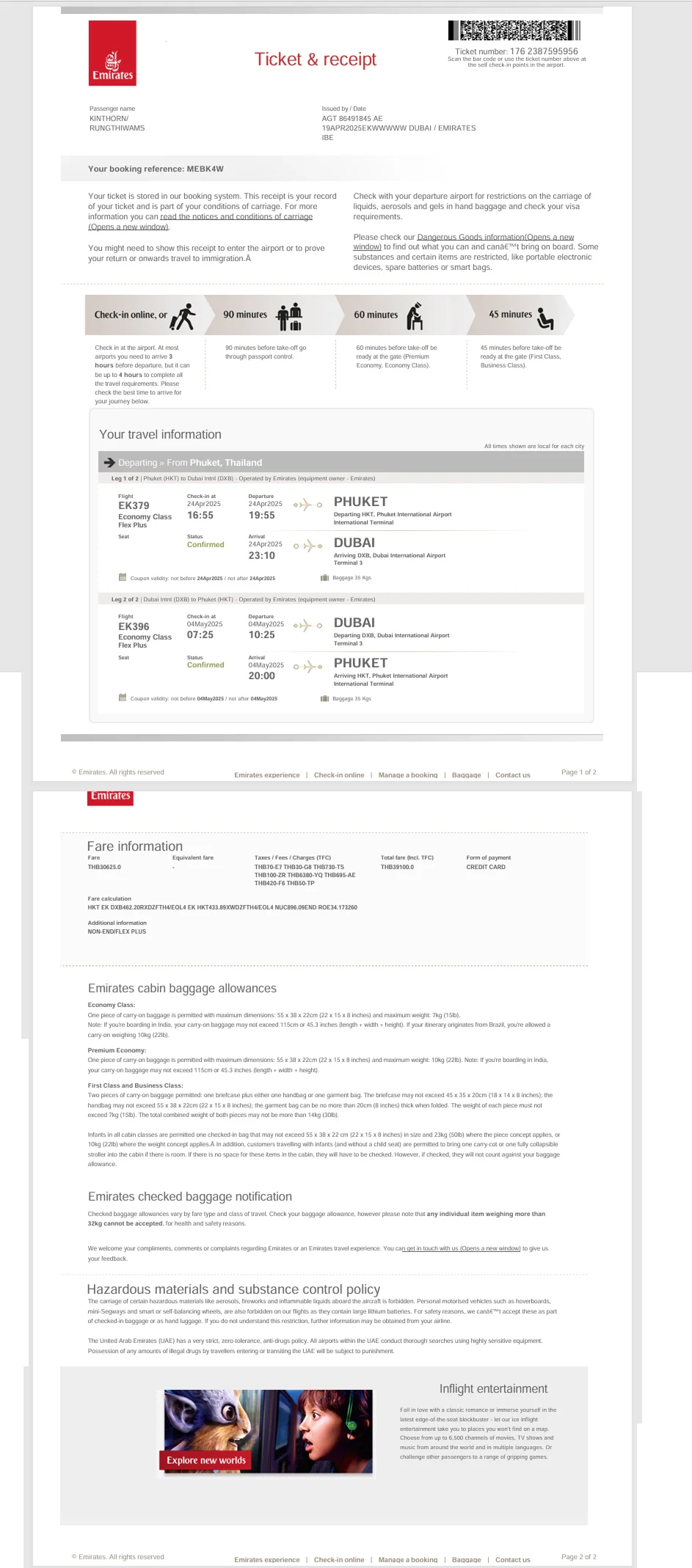
Why Choose Us
One online form, a document checklist, the full fee up front and an adviser who checks the application before it is filed.
FAQ
Quick answers to the questions that come up most during an Emirates visa application.