


 Fact-checked by Yogesh Yadav
 Updated 21 October 2026
 0
0
 535
535
 6 mins read
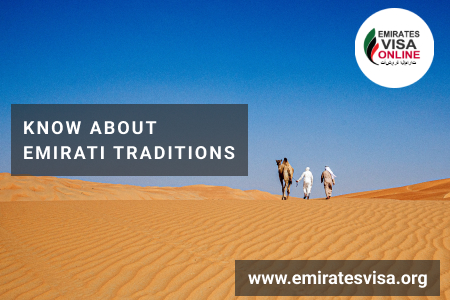
When people think of the United Arab Emirates, they picture soaring skyscrapers, luxury malls, and record-breaking attractions. But in 2026, the true magic of the Emirates lies beyond the skyline—within its Emirates Visa Emirati traditions, values, and everyday emirates arts and cultural rituals that shape daily life.From the warm welcome of Arabic coffee in a majlis, to the quiet respect of Ramadan evenings, and the deep-rooted importance of faith, family, and hospitality, Emirati culture offers travelers something far richer than sightseeing alone. Understanding these traditions isn’t just polite—it transforms your journey into a meaningful, respectful, and seamless experience.
With over 200 nationalities living harmoniously alongside Emiratis, the Emirates has mastered the balance between global modernity and timeless customs. Whether you’re visiting for tourism, business, family events, or emirates festivals in 2026, cultural awareness helps you connect better, avoid common mistakes, and feel genuinely welcomed.
This guide walks you through everything you need to know—from greetings and dress codes to Ramadan etiquette, heritage traditions, and public conduct—so you can explore the Emirates confidently, respectfully, and stress-free, starting with the right visa and the right mindset.
Introduction: Why Understanding Emirati Traditions Matters in 2026
With residents from 200+ nationalities living alongside Emiratis, the Emirates balances modern life with deeply held customs. A little cultural literacy goes a long way—especially around greetings, dress, Ramadan etiquette, and public behavior.
Core of Emirati Culture: Faith, Family & Hospitality
Emirati culture is deeply rooted in Islamic faith, strong family bonds, and legendary hospitality—where respect, generosity, and community values shape everyday life and define the Emirates’s true identity.
Islam’s Role in Daily Life & Public Etiquette
Islam influences public holidays, Ramadan working hours, and standards of modest behavior in the Emirates. Visitors are warmly welcomed, with the expectation that they respect prayer areas, avoid public intoxication, and follow modest dress guidelines—especially in mosques, heritage districts, and religious sites. You can review the appropriate dress code here to ensure a respectful and smooth experience.
Family, Community & Respect for Elders
Emirati society is family-centric. Greet elders first, use polite forms of address, and be patient in queues and conversations—courtesy is key.
Majlis Etiquette: Gahwa (Arabic Coffee), Dates & Seating
A majlis is a traditional gathering space. When offered gahwa (Arabic coffee), accept with your right hand, take small sips, and gently shake the cup to signal you’re done. Wait to be seated; hosts assign places according to custom.
Everyday Etiquette for Visitors
Everyday etiquette in the Emirates blends warm hospitality with respectful behavior—simple dos and don’ts that help travelers feel welcomed and confident. Do greet people politely with a friendly “As-salāmu ʿalaykum,” dress modestly in public and calm spaces, and always ask permission before photographing others. Don’t eat, drink or smoke in public during fasting hours in Ramadan, avoid public displays of affection, and never make offensive gestures or loud behaviour.
Greetings & Body Language (Men, Women, Elders)
-
A light handshake is common between men; do not extend your hand to a woman unless she offers first.
-
A friendly “As-salāmu ʿalaykum” (peace be upon you) is always appreciated.
-
Keep personal space; avoid overly familiar gestures in public.
Dress Code & Photography Do’s/Don’ts
-
Cover shoulders and knees in heritage districts, government buildings and mosques.
-
Always ask permission before photographing people; avoid photographing military/government facilities.
Dining Etiquette: Right Hand, Sharing, Tipping
-
Eat and pass dishes with your right hand.
-
Accept dates and coffee when offered—hospitality is an honor.
-
Tipping 5–10% is common in casual venues; check if a service charge applies in restaurants.
Signature Emirati Traditions & Heritage
Traditional Dress: Kandura, Abaya, Shayla & Accessories
Men wear the kandura (ankle-length white robe) with a ghutra/agal headdress. Women often wear the abaya over clothing with a shayla headscarf. Visitors aren’t expected to wear traditional attire—smart-modest is perfect.
Music & Dance: Al Ayyala, Harbiya & Drums
At weddings and festivals, you may see Al Ayyala—rows of men with canes moving in rhythm to drums and poetry—symbolizing unity and heritage.
Falconry, Camel Racing & Pearl-Diving Heritage
Falconry reflects desert life skills and stewardship; camel racing is a beloved sport with modern tracks; pearl-diving stories echo along Emirates Creek and coastal towns—look for heritage exhibits and tours.
Crafts & Textiles: Al Sadu Weaving, Perfumes & Oud
Discover Al Sadu (geometric Bedouin weaving), hand-mixed oud perfumes, and khous (palm-frond) crafts in heritage districts and curated souks.
Life Events & Social Customs
Weddings, Henna & Gift-Giving
Weddings are joyful and often gender-separate events. Women adorn hands with henna; guests bring thoughtful gifts. Dress conservatively; follow hosts’ guidance.
Funerals & Condolence Protocols (Condensed Guidance)
Offer brief, sincere condolences—“Allah yerhamhu/ha” (may God have mercy). Dress modestly, avoid photographs, and follow hosts’ lead.
Ramadan & Religious Observances (2026)
Ramadan is a sacred period of fasting, prayer, and reflection in the Emirates, and visiting the emirates during ramadan offers a unique cultural experience rooted in respect and community. While observing modest dress and public etiquette is essential, evenings come alive with Iftar traditions and spiritual gatherings.
Fasting Hours Etiquette for Non-Muslims
During Ramadan 2026, Muslims fast from dawn to sunset. Avoid eating, drinking, or smoking in public during fasting hours. Many venues have screened areas for non-fasters.
Iftar, Suhoor & Charity (Zakat)
Iftar breaks the fast after sunset—hotels and tents host special menus. Suhoor is a late-night meal. Charity and community service are emphasized—respect the quieter pace.
Public Conduct: Music, Dress & PDA During Ramadan
Keep music low, dress more conservatively, and avoid public displays of affection. Greet locals with “Ramadan Kareem” or “Ramadan Mubarak.”
Emirates Festivals & National Occasions (2026)
(H3) Eid al-Fitr, Eid al-Adha & Islamic New Year
Major Islamic holidays bring family gatherings, prayers, and festive meals. Shops may have extended hours and special offers.
Emirates National Day (2 December) & Commemoration Day (1 December)
Expect fireworks, parades, illuminations and heritage showcases around National Day. Commemoration Day honors the nation’s fallen—observed with respect.
Cultural & City Events: Heritage Festivals & Shopping Seasons
Look for heritage weeks, art fairs, literary events and seasonal shopping festivals across the emirates—great for crafts, performances and cuisine.
Practical Culture Tips for Travelers in 2026
Visiting Mosques & Cultural Centres
Non-Muslims can visit selected mosques and cultural understanding centres on guided tours—dress codes apply (modest, headscarf for women).
Souk Behavior & Bargaining—Polite & Effective
Start at 40–50% of the opening quote for souvenirs; smile, be respectful, and compare quality, not just price.
Mixed-Gender Spaces, PDA & Social Media Awareness
Public affection is discouraged; keep posts respectful—avoid filming strangers or private gatherings without consent.
Visa & Entry: Do It Right, Travel Relaxed
Quick Checklist Before You Apply (Documents & Photos)
-
Passport valid 6+ months beyond arrival
-
Clear passport photo (plain background)
-
Return ticket & accommodation details
-
Travel insurance recommended
-
Match name/spelling across all documents
Common Visa Mistakes to Avoid (And How We Prevent Them)
Small errors during the visa application—such as name mismatches, incorrect passport details, poor-quality documents, or choosing the wrong visa type—can directly lead to visa rejection or delays. We prevent these issues through careful document checks, guided application support, and accuracy verification, ensuring your Emirates visa process stays smooth, secure, and stress-free.
-
Typos in names/passport numbers
-
Low-resolution scans or expired documents
-
Applying for the wrong visa type or cutting it too close to travel dates
How we help: document validation, guided forms, and real-time tracking to minimize errors.
CTA: Ready to explore Emirati culture the right way? Apply for your Emirates Visa now on EmiratesVisa.org and plan confidently.
Risks of Unofficial Agents & Last-Minute Applications
-
Fake approvals / hidden fees from unverified sources
-
Processing delays that jeopardize flights and hotel bookings
-
Data privacy risks via insecure forms
Choose safety: EmiratesVisa.org uses secure payments, verified workflows and 24/7 support.
Conclusion & CTA: Experience the Emirates Respectfully—Start with a Secure Visa
From majlis coffee rituals and henna nights to heritage dances and Ramadan evenings, the Emirates in 2026 blends tradition with modern grace. Travel with cultural confidence—and start with a secure, correct visa.
Apply now Emirates Visa and turn respect into unforgettable experiences.



About the author
Yogesh Yadav
Travel Advisior